
Comprehensive Overview of IV Bag Materials and Innovations
- 2026-04-22
Introduction
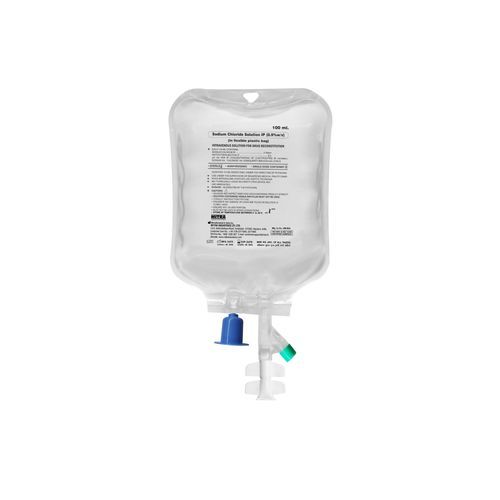
Intravenous (IV) therapy is a cornerstone of modern medical treatment, providing a direct route for administering medications, nutrients, and fluids to patients. Central to this therapy is the IV bag, a seemingly simple yet technologically advanced component. The materials used in manufacturing IV bags are critical to their performance, safety, and environmental impact. This article delves into traditional IV bag materials, recent innovations, and emerging trends, providing a comprehensive overview of the landscape.
Traditional IV Bag Materials
1. Polyvinyl Chloride (PVC):
Characteristics: PVC is the most common material used for IV bags due to its durability, flexibility, and transparency. It is easily sterilized, making it suitable for medical applications.
Concerns: One significant drawback of PVC is the potential leaching of plasticizers like DEHP (di(2-ethylhexyl) phthalate). DEHP is added to enhance flexibility but can pose health risks, including endocrine disruption.
2.Polyethylene (PE):
Characteristics: PE is valued for its chemical inertness and flexibility. It is less likely to interact with the solutions it contains, making it a safer alternative for certain medications and nutrients.
Applications: PE is often used for solutions that might react with PVC, offering a safer option for sensitive drugs.
3.Polypropylene (PP):
Characteristics: PP is known for its high temperature resistance and chemical inertness. It has low leachability, ensuring the integrity of the contained solutions.
Applications: PP is suitable for sterilization processes and is used in IV bags that require higher temperature resistance.
4.Ethylene Vinyl Acetate (EVA):
Characteristics: EVA provides flexibility and transparency similar to PVC but without the associated risks of plasticizer leaching.
Applications: EVA is popular for parenteral nutrition and other sensitive solutions, providing a safer alternative to PVC.
5.Thermoplastic Polyurethane (TPU):
Characteristics: TPU offers excellent mechanical properties, including flexibility, puncture resistance, and durability. It also has good chemical resistance.
Applications: TPU is used in high-performance IV bags where enhanced durability is required.
6.Multi-layer Films:
Characteristics: Multi-layer films combine different types of plastics to optimize strength, flexibility, and chemical resistance.
Applications: These are used for creating advanced IV bag structures, ensuring compatibility with a wide range of IV solutions.
Innovations in IV Bag Materials
1.Non-PVC Alternatives:
DEHP-Free PVC: Innovations include the development of PVC without DEHP, using alternative plasticizers to mitigate health risks.
Polyolefin-Based Bags: Polyethylene (PE) and polypropylene (PP) are gaining traction due to their inert properties, which reduce the risk of chemical interactions.
2.Biodegradable and Sustainable Materials:
Biopolymers: Polylactic acid (PLA) and polyhydroxyalkanoates (PHA) are derived from renewable sources and are biodegradable, offering an environmentally friendly alternative to traditional plastics.
Recyclable Materials: Efforts are underway to develop materials that can be more easily recycled, minimizing the environmental impact of medical waste.
3.Enhanced Barrier Properties:
Multi-Layer Films: Advanced multi-layer films improve barrier properties, preventing oxygen and contaminants from compromising the IV solutions.
Nanocomposites: Incorporating nanomaterials enhances the mechanical strength and barrier properties of IV bags.
4.Smart and Functional Materials:
Antimicrobial Coatings: IV bags with antimicrobial properties reduce infection risks, particularly in hospital settings.
Self-Sealing Materials: Innovations in self-sealing materials enhance safety by reducing the risk of contamination upon puncture.
5.Improved Manufacturing Techniques:
Co-Extrusion and Blow-Fill-Seal Technology: These advanced manufacturing techniques produce IV bags with superior strength, uniformity, and reduced contamination risk.
3D Printing: Research into 3D printing aims to allow for customizable shapes and sizes of IV bags, tailored to specific medical needs.
6.Environmental and Regulatory Compliance:
Lifecycle Assessments: Evaluating the environmental impact of IV bags throughout their lifecycle helps in making environmentally conscious choices in material selection and design.
Regulatory Compliance: Continuous advancements ensure new materials meet stringent regulatory requirements for medical devices, ensuring patient safety and efficacy.
Emerging Materials
1.Cyclo-Olefin Polymer (COP) and Cyclo-Olefin Copolymer (COC):
Characteristics: High-performance thermoplastics known for excellent optical clarity, low moisture absorption, and high chemical resistance.
Applications: These materials reduce the risk of chemical interactions with IV solutions.
2.Thermoplastic Elastomers (TPE):
Characteristics: TPEs combine the elasticity of rubber with the processing advantages of plastics, offering flexibility and durability without harmful plasticizers.
Applications: They are used in producing safer IV bags, free from harmful plasticizers like DEHP.
3.Polyvinylidene Chloride (PVDC):
Characteristics: PVDC provides excellent barrier properties against gases and moisture, extending the shelf life of IV solutions.
Applications: Used in multi-layer films for enhanced protection of IV solutions.
4.Silicone Elastomers:
Characteristics: Silicone elastomers offer high biocompatibility, flexibility, and resistance to a wide range of temperatures and chemicals.
Applications: Ideal for specialized applications requiring high purity and minimal interaction with contained solutions.
5.Biodegradable Polymers:
Polylactic Acid (PLA) and Polyhydroxyalkanoates (PHA): These biodegradable polymers are derived from renewable resources, offering an environmentally friendly alternative.
Applications: Developing IV bags that decompose naturally, reducing medical waste.
6.Chitosan and Alginate-Based Materials:
Characteristics: Chitosan and alginate are natural biopolymers with excellent biocompatibility and biodegradability, offering antimicrobial properties.
Applications: Used for creating safer and more sustainable medical devices.
7.Graphene-Enhanced Polymers:
Characteristics: Incorporating graphene enhances mechanical strength and barrier properties, providing superior protection against contamination and improving durability.
Applications: Used in IV bags for enhanced performance in terms of strength and chemical resistance.
8.Hydrogel-Based Materials:
Characteristics: Hydrogels are highly absorbent polymers capable of retaining large amounts of water while maintaining structure, offering biocompatibility and controlled release capabilities.
Applications: Hydrogels are used in IV bags for precise medication or nutrient delivery.
Conclusion
The development and innovation in IV bag materials are driven by the need to enhance patient safety, reduce environmental impact, and improve the functionality and compatibility of IV bags with a variety of intravenous solutions. Traditional materials like PVC and PE have served the medical community well, but new materials and technologies are paving the way for safer, more sustainable, and more efficient solutions.
From non-PVC alternatives and biodegradable polymers to advanced manufacturing techniques and smart materials, the field of IV bag materials is evolving rapidly. These advancements promise to address the challenges associated with traditional materials, offering better performance and reduced environmental impact.
As research continues and new materials are developed, the future of IV bag manufacturing looks bright. Innovations will not only improve patient outcomes but also contribute to a more sustainable and environmentally conscious healthcare system.